
 Author: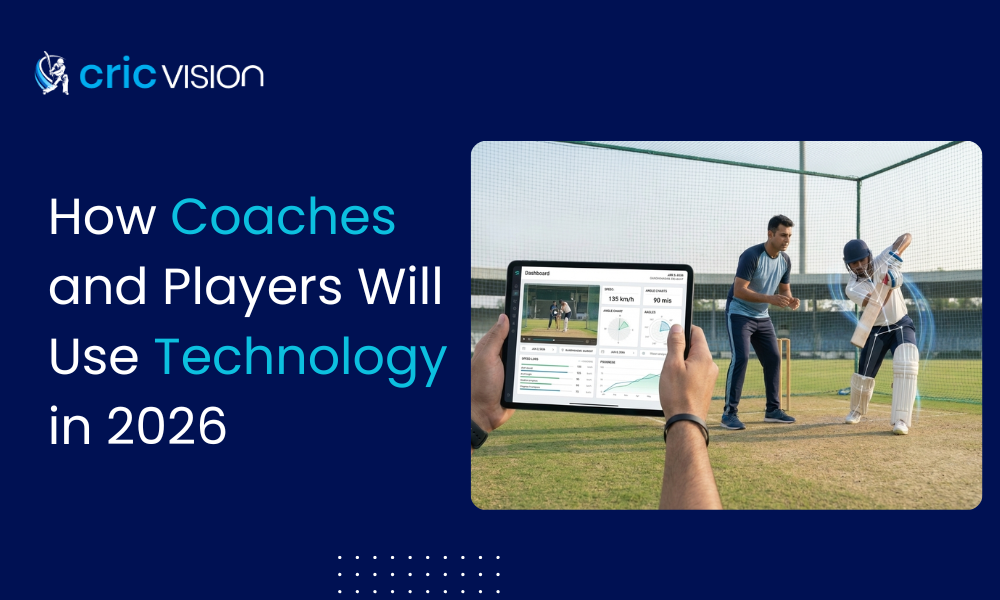
In 2026, sports technology will feel less like “new tools” and more like new habits. You’ll get the most value when technology helps you do three things faster:
- capture what happened
- turn it into something a player can understand
- repeat the loop every week (progress tracking)
Whether you invest in sports tech, coach players, or run a cricket academy, your biggest risk isn’t missing a trend. It’s adopting tech that adds more work than it removes. In this guide, you’ll see each trend, along with a real example and what you should do next.
1. Faster video-to-feedback loops
What it means
You stop treating video as storage and start treating it as your main coaching interface. The goal is speed and clarity, not “more footage.”
Example
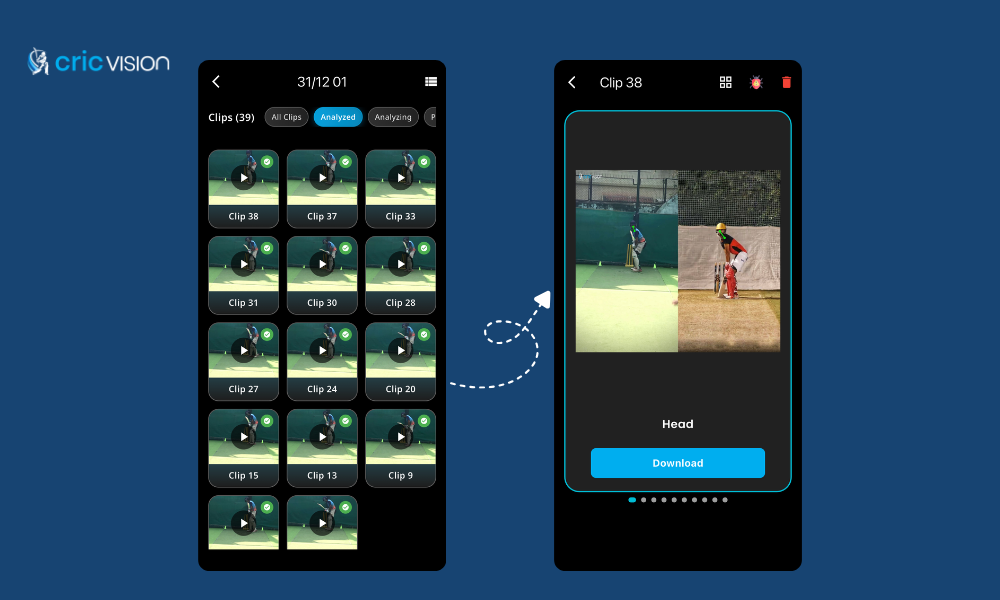
When you train many players in a day, feedback can get delayed—clips don’t get shared, notes get missed, and players repeat the same mistakes next session. A video-first workflow fixes that by turning each session into a few key clips and one clear cue.
Tools like CricVision help you run this consistently with AI video feedback and quick reporting features.
What you should adopt in 2026
- Set a rule: every session generates 2–3 clips + one simple cue per player.
- Keep cue language consistent across coaches (so players don’t get mixed messages).
- Deliver feedback within 24 hours (players still remember the rep).
Once your feedback loop is fast, the next step is making that video feedback more measurable.
2. Computer vision for technique analysis
What it means
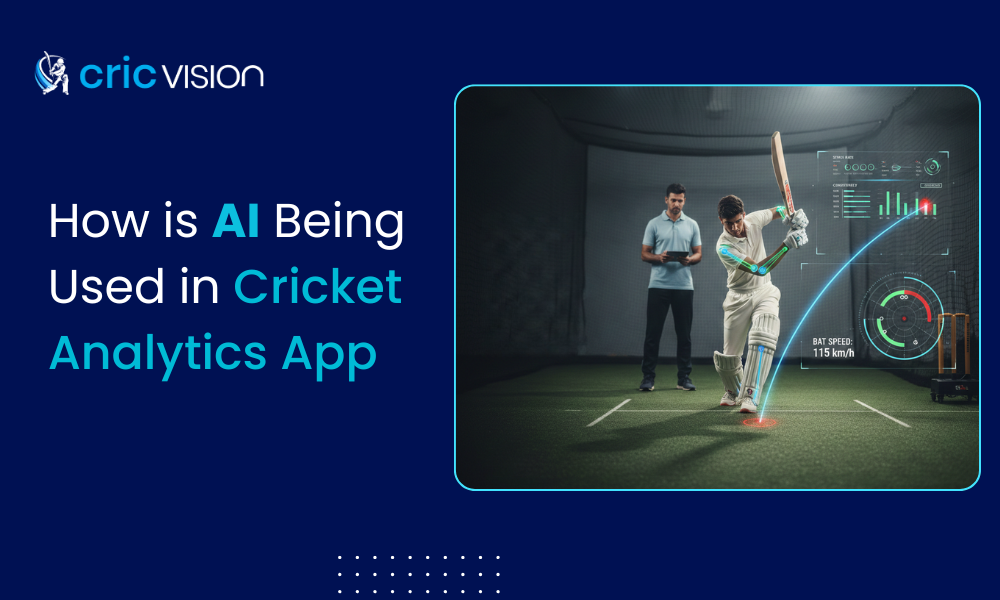
Computer vision is when software looks at a video and understands how someone moved. As a coach, you mainly use it for two things:
- Pose tracking: where key body parts are (head, shoulders, hips, legs, arms)
- Repeatability: whether the player repeats the same movement pattern again and again (or keeps changing without noticing)
The goal isn’t perfect “lab biomechanics.” The goal is to help you give clear technique cues using video evidence.
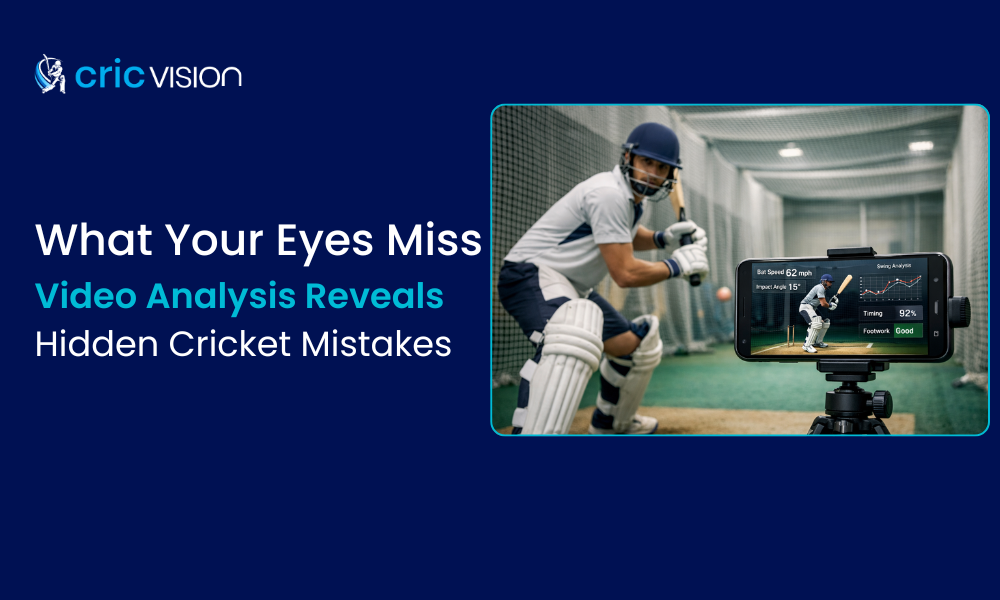
In cricket, this is especially valuable for batting, where small changes in head position, sequencing, or bat path can make a big difference. We’ve explained this in detail in our guide on how AI-powered video analysis improves batting technique, with practical examples coaches can apply on the field.
Real examples
- FIFA (offside): FIFA’s semi-automated offside system uses 12 tracking cameras and tracks up to 29 data points per player, 50 times per second. Different use case than coaching, but it shows how advanced video-based tracking has become.
- MLB (player + ball tracking): MLB upgraded Statcast to be powered by Hawk-Eye optical tracking, which is used league-wide for tracking players and the ball. Again, different sport—but it shows computer vision is now a standard foundation for analysis at the top level.
What you should adopt in 2026
- Use vision outputs for clear coaching cues (stance stability, head movement, sequencing), not “perfect biomechanics.”
- Track change over time: compare a player’s clips week-to-week (before/after), not just one session.
Once technique cues are clear, you need a simple way to show progress week after week, that’s where dashboards help.
3. Progress dashboards become “standard equipment” for academies
What it means
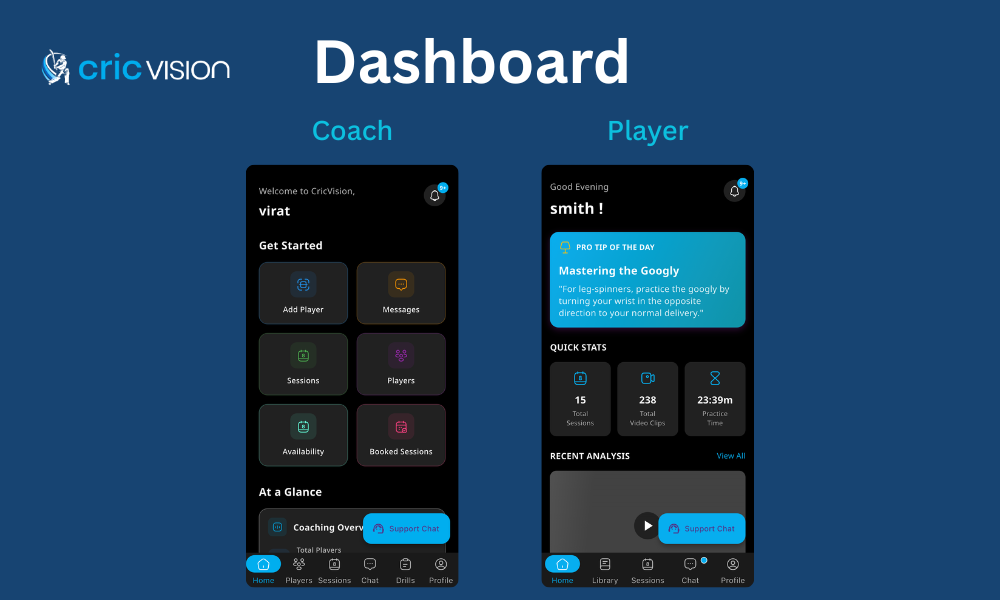
Parents, players, and coaches want to see progress in simple visuals: milestones, clips, and a few consistent metrics.
Real example
In most academies, player updates happen in bits and pieces, some clips here, a few messages there, and a lot of repeated questions. A progress dashboard makes it simple by showing a small set of clips, a few key metrics, and clear milestones over time.
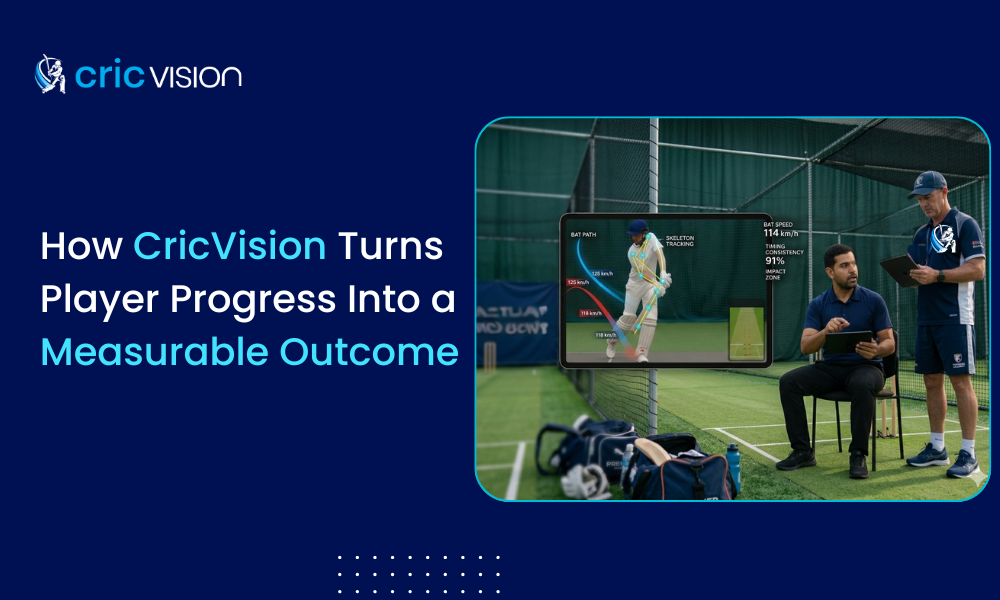
Tools like CricVision include player progress dashboards that help you keep these updates consistent and easy to understand.
What you should adopt in 2026
- Standardise what you track (a small set of metrics and clip types).
- Update on a set cadence (weekly or monthly).
- Use dashboards for conversations, not “performance grading.”
If you want a simple way to run video → technique cues → progress tracking in one workflow, try CricVision:
- Download on Google Play: Google Play
- Download on the App Store: App Store

Once you track progress consistently, the next problem is keeping players improving without breaking them.
4. Injury prevention becomes “early warning + habit change”
What it means
No tool will predict injuries perfectly. The practical goal is earlier detection of risk and better day-to-day decisions.
Real example
In most training setups, injuries don’t come from one moment. They build up when workload climbs while recovery stays the same. Athlete monitoring companies like Catapult describe injury prevention as being closely tied to workload monitoring and balancing training intensity with recovery to reduce injury risk.
What you should adopt in 2026
Use a simple three-part routine:
- Movement check (video): look for changes in mechanics (e.g., shorter stride, stiffer landing, reduced follow-through).
- Readiness check (wearable or quick form): sleep, soreness, fatigue—keep it short.
- Load-adjustment playbook: write down what you do when someone shows red flags
Keep it coach-friendly: if it takes too long weekly, it won’t stick.
When you explain why you changed a session using clear evidence, players buy in faster. And that’s precisely what athletes now expect from modern training.
5. Tracking tech raises athlete expectations
What it means
As officiating and broadcast tech become more transparent, athletes expect clearer evidence in training too. In simple terms: they expect “show me,” not “trust me.”
In day-to-day coaching, this shows up in small moments. A player asks:
- “Was my head falling over?”
- “Am I actually getting quicker?”
- “Did my line and length improve, or does it just feel better?”
When you can answer with a clip or a simple metric, feedback becomes easier to accept—and easier to repeat.
Examples
- The Premier League announced semi-automated offside technology would start in Matchweek 32 on April 12, 2025, showing how tracking and automation are becoming normal in elite sport.
- The WNBA announced Second Spectrum optical tracking across every arena for the 2024 season, collecting low-latency 3D player pose and ball-tracking data.
What you should adopt in 2026
- You don’t copy stadium systems. You copy the idea: consistent capture + clear outputs.
- Build training reviews around evidence clips instead of long explanations.
Once speed and evidence matter, where processing happens starts to matter too.
6. Edge AI for speed and privacy
What it means
Edge AI is when analysis runs on a device or locally instead of sending everything to the cloud first. That can help with:
- faster feedback
- lower upload friction
- stronger privacy defaults
Real-world connection
The WNBA’s tracking rollout highlights low-latency 3D tracking because speed matters in real use.
In training, you see the same problem in a simpler way: if the connection is slow, feedback gets delayed. When processing happens closer to the session, you can review and share key outputs sooner.
Example
You finish a nets session and want to show a batter two clips immediately, one good rep and one mistake. If you have to upload everything first, that feedback often happens hours later (or not at all). Faster, closer-to-session processing helps you keep the feedback loop short.
What you should adopt in 2026
- Prioritize tools that let you review and share key outputs quickly, even when connectivity is imperfect.
- Ask vendors where video is processed and stored (local vs cloud), and what that means for privacy and retention
After you’ve built the basics (video, cues, dashboards), the next layer is cutting admin work without losing control.
7. Agentic AI copilots for coaches
What it means
At the end of a training day, your biggest time drain is usually not coaching; it’s the follow-up work: finding clips, writing notes, updating player records, and sending messages.
That’s where agentic AI can help.
Example: You tell it “prepare a weekly update for Squad A,” and it drafts the summary, pulls the key clips, and formats the report, then you review and approve before it goes out.
In simple words, Agentic AI is software that can take a goal you set, plan the steps, and do parts of the work using connected tools, while you stay in control of approvals.
In sports, that usually means it can help you:
- draft session summaries
- pull key clips
- write first-draft feedback
- update progress dashboards
- schedule follow-ups
Real example
In June 2025, Gartner warned that many tools are being sold as “agents” when they’re really rebranded chatbots (“agent washing”). Gartner also predicted over 40% of agentic AI projects will be cancelled by the end of 2027 if they don’t show clear value or manage risk properly.
What you should adopt in 2026
- Use agentic AI only for repeatable admin tasks (drafting reports, organising clips, reminders).
- Put approvals in place: AI drafts, you decide.
- Track one number: minutes saved per coach per week.
How do you connect these trends to AI-powered cricket training
If your focus is cricket coaching, you don’t need to adopt everything at once. A practical 2026 setup usually looks like this:
- video capture + fast feedback loop
- computer vision technique cues
- simple progress dashboards
- later agentic automation to reduce admin work
When these pieces work together, your coaching becomes simpler: you spend less time managing videos and notes and more time running good sessions.
This is where CricVision fits naturally, because it’s built around what you actually need as a coach: technique visuals, measurable training outputs (like ball/bat speed), and progress dashboards.
Want to see how this workflow looks in your next session?
Download CricVision on Google Play and App Store